
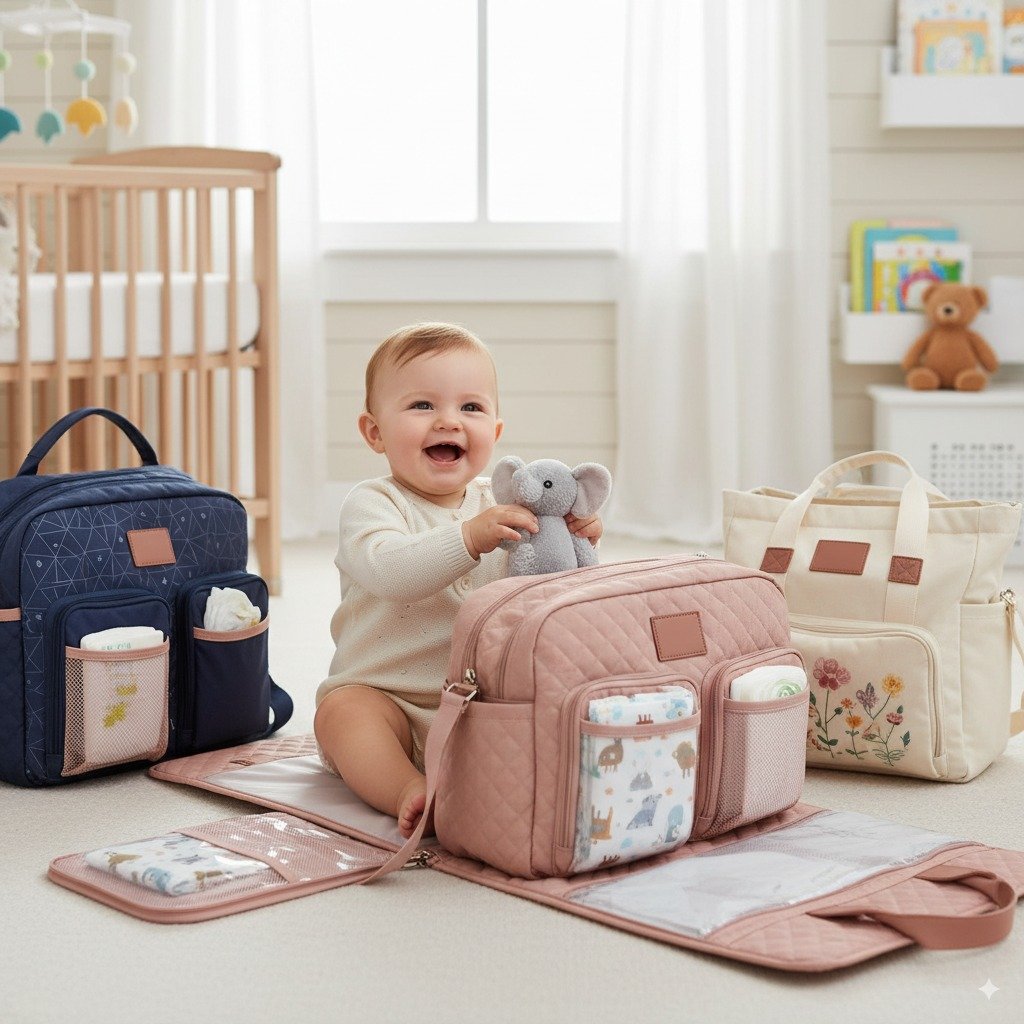
The Ultimate Diaper Bag Checklist: What Every Parent Needs When Going Out with a Baby
Being prepared when leaving home with your baby can make the difference between a calm, enjoyable outing and a stressful one. This guide will walk you through everything you should pack in your diaper bag, plus practical tips from experienced parents.
Why a Well-Packed Diaper Bag Matters
Every parent quickly learns that babies have a way of surprising us. One moment everything is calm, and the next, a diaper leak, hunger cry, or unexpected spill can create chaos. A well-prepared diaper bag is more than just a convenience—it’s your lifeline when you’re away from home. Having the right items on hand can prevent small problems from turning into major frustrations. It also gives you peace of mind, knowing that you are ready to handle anything your baby needs.
Think of the diaper bag as a mobile version of your nursery. While you don’t need to bring everything you own, packing strategically ensures that you cover all the basics without overloading yourself. This article is designed to give you not just a checklist but also explanations on why each item is important and how to organize them effectively.
Diapers: The Non-Negotiable Essential
It should go without saying that diapers are the most critical item in your bag. A good rule of thumb is to pack one diaper for every two hours you plan to be out, plus one or two extras just in case. For example, if you’ll be gone for six hours, bring at least four diapers. Remember that babies can go through more than expected during travel, especially when schedules are disrupted.
Alongside diapers, don’t forget wipes. Baby wipes are multi-purpose: they clean not just your baby’s bottom, but also sticky fingers, messy faces, and even dirty surfaces. Opt for a travel-sized pack to save space, but always carry enough to last the outing.
Changing Supplies: Pads and Bags
Public restrooms and outdoor spaces don’t always provide clean surfaces for diaper changes. This is why carrying a portable changing pad is essential. Many diaper bags include one, but you can also buy lightweight, foldable versions that take up little space. They provide a clean barrier wherever you need to change your baby.
Equally important are disposable bags or small zip-lock bags. These are invaluable when you need to store a dirty diaper until you find a proper trash bin. They also work for soiled clothes, keeping odors and mess contained.
Extra Clothing: Expect the Unexpected
If there’s one thing every parent agrees on, it’s this: babies are unpredictable. Spit-ups, diaper leaks, food stains, or even unexpected weather changes can leave your little one uncomfortable. Always pack at least one complete change of clothes, including socks and, if possible, a lightweight hat. For longer trips, two outfits may be even better.
Seasonal items matter too. During cooler months, add an extra sweater or blanket. In warmer weather, pack a sunhat and breathable fabrics. A small muslin cloth can serve multiple purposes—as a burp cloth, sunshade, or makeshift bib.
Feeding Essentials: Bottles, Formula, and Snacks
Your baby’s feeding needs will largely determine how much space your diaper bag requires. If you’re breastfeeding, your main essentials may be a nursing cover (if you prefer privacy) and breast pads for emergencies. However, if you’re bottle-feeding, preparation becomes more detailed.
- Formula or Breast Milk: Use pre-measured formula containers or insulated bottles to keep milk safe.
- Bottles and Nipples: Always pack at least one extra clean bottle.
- Snacks: For older babies and toddlers, finger foods and a spill-proof snack container can make outings easier.
- Sippy Cup or Water Bottle: Hydration is key, especially on warm days.
Pro tip: Pack feeding supplies in a separate, waterproof pouch to prevent leaks from spreading to other items in the bag.
Comfort and Entertainment Items
Sometimes the difference between a calm outing and a meltdown is as simple as having your baby’s favorite pacifier or toy within reach. Pack one or two comfort items that your baby is familiar with. This could be a teether, a plush toy, or a soft blanket. Rotating toys can also help keep your child engaged and curious during longer trips.
If your baby uses a pacifier, consider bringing a backup. Pacifiers have a way of disappearing at the most inconvenient times, and having a spare can save you from unnecessary stress.
Health and Safety Must-Haves
While you don’t need to carry a full medicine cabinet, a few small health and safety items can be lifesavers. Consider including:
- Hand sanitizer: For parents to use before feeding or after diaper changes when soap and water aren’t available.
- Baby-safe sunscreen: If you’ll be outdoors, especially during peak sun hours.
- A small first aid kit: Include band-aids, baby pain reliever (if age-appropriate), and any prescribed medications.
- Thermometer strips: Compact and useful if you suspect your baby has a fever.
Parent Essentials
It’s easy to focus only on what the baby needs, but parents also benefit from an organized diaper bag. Make sure you have a dedicated pocket or pouch for your own essentials:
- Wallet and ID
- Phone and portable charger
- Keys
- Snacks and a water bottle
- Small notebook and pen (handy for doctor’s instructions or notes)
Having everything in one place saves you from juggling multiple bags, which is especially important when carrying your baby.
How to Organize Your Diaper Bag
Organization is key to making your diaper bag efficient. Instead of throwing everything into one large compartment, use smaller pouches or zip bags to separate items by category. For example:
- One pouch for diapering (diapers, wipes, cream, changing pad).
- One pouch for feeding (bottles, formula, snacks).
- One pouch for clothing (extra outfits, socks, blanket).
By organizing this way, you won’t waste time digging around while your baby is fussing. Clear pouches can also make it easier to find items quickly.
Extra Tips from Experienced Parents
Over time, you’ll develop your own diaper bag rhythm, but here are some tried-and-true tips from parents who have mastered the art:
- Restock Immediately: After returning home, replace used diapers, wipes, or snacks right away. That way, your bag is always ready to go.
- Travel-Sized Items: Buy mini versions of lotions, creams, and sanitizers to save space.
- Seasonal Updates: Switch items based on weather. Sunscreen in summer, warm blanket in winter.
- Keep It Light: While it’s tempting to overpack, remember you’ll be carrying the bag along with your baby. Stick to essentials and adjust based on outing length.
Sample Diaper Bag Checklist
Here’s a quick summary checklist you can print or save:
- ✅ 5–6 Diapers
- ✅ Baby wipes (travel pack)
- ✅ Portable changing pad
- ✅ Disposable diaper bags
- ✅ 1–2 Outfit changes
- ✅ Blanket or muslin cloth
- ✅ Bottles, formula, breast milk
- ✅ Snacks and sippy cup
- ✅ Pacifier and small toy
- ✅ Hand sanitizer
- ✅ Baby sunscreen
- ✅ Small first aid kit
- ✅ Parent essentials (wallet, phone, keys)
Conclusion: Prepared Parents, Happy Babies
Leaving home with your baby doesn’t have to feel overwhelming. With a well-stocked diaper bag, you can be confident that you’re ready for anything—from a quick diaper change to an unexpected spill. The key is balance: carry enough to handle the most common situations, but keep it light enough to manage comfortably. As your baby grows, your diaper bag needs will change, so adjust your checklist regularly.
At the end of the day, preparation is about peace of mind. When you know your diaper bag has everything you need, you can focus on what really matters: enjoying special moments with your little one wherever you go.