
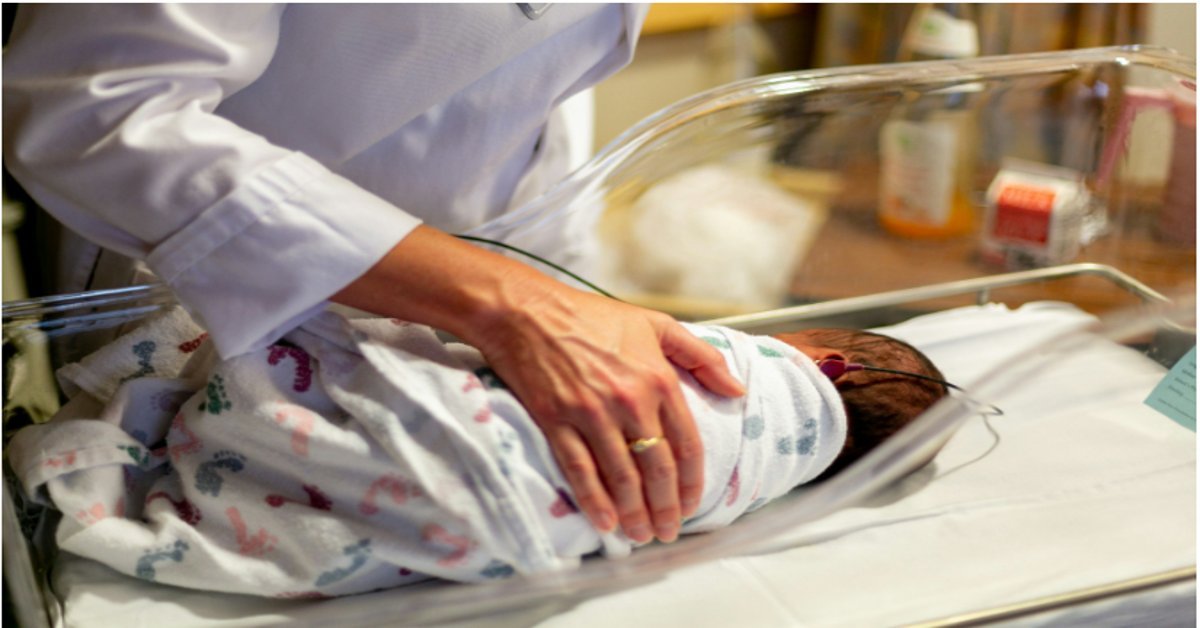
Essential Insurance Coverage for Your Baby: What Every Parent Should Know
Ensuring your baby’s health and financial protection begins with the right insurance. From health and dental care to accident and life coverage, baby insurance provides peace of mind for parents while safeguarding a child’s well-being. In this comprehensive guide, we’ll explore everything new parents should know about baby insurance options, benefits, and how to choose the right policy.
Introduction to Baby Insurance
Welcoming a new baby into your family is a joyful experience, but it also comes with new responsibilities. One of the most crucial yet often overlooked aspects of parenting is securing the right insurance coverage for your newborn. Babies are vulnerable to various health conditions, from common colds to unexpected emergencies, and the associated medical costs can add up quickly. Having adequate baby insurance in place ensures that parents are financially prepared to provide the best care for their child without hesitation.
Baby insurance goes beyond healthcare alone. It includes options such as dental insurance, accident coverage, and even life insurance policies that can double as long-term financial tools. Understanding the differences between these options allows parents to make informed decisions that not only protect their baby’s immediate health but also support their financial future.
In this article, we will break down the different types of baby insurance, explore why each is important, and provide tips to help parents select the most suitable policies. Whether you are expecting your first child or expanding your family, investing time in understanding insurance can provide lasting security for both your baby and your household.
Why Baby Insurance Is Essential
Parents often wonder whether baby insurance is truly necessary, especially if they already have coverage for themselves. The reality is that infants require far more frequent medical attention than adults. During the first year, your child will attend multiple well-baby checkups, receive essential vaccinations, and may require additional visits due to common illnesses such as ear infections or respiratory issues. Each of these visits comes with a cost, and without insurance, the financial burden can quickly escalate.
Beyond routine healthcare, unexpected emergencies can occur at any time. Babies may develop high fevers, allergic reactions, or even injuries as they begin to explore their environment. Insurance ensures that you never have to delay or avoid necessary care due to cost concerns. It provides a safety net, giving parents peace of mind that their baby’s well-being will always come first.
Additionally, baby insurance is not just about immediate healthcare needs. Some policies, such as life or savings-linked plans, can contribute to long-term financial planning. Parents who secure coverage early often benefit from lower premiums and better terms, creating a stable foundation for their child’s future.
Infants are particularly vulnerable to a range of health issues, from common illnesses to unexpected medical emergencies. This vulnerability highlights the necessity of having adequate insurance, which can significantly alleviate the financial burden associated with healthcare costs. According to HealthCare.gov official guidelines, newborns should be added to a health insurance plan within the first 30 days of life to avoid coverage gaps and ensure immediate access to medical care.
Types of Insurance for Babies
When considering insurance for your newborn, it is important to recognize that not all policies are the same. Each type of insurance serves a unique purpose, addressing different aspects of your baby’s health and security. Below, we explore the most common types of insurance for infants:
Health Insurance
Health insurance is the most critical form of coverage for any newborn. It covers routine pediatric visits, vaccinations, medications, and emergency care. A strong health insurance policy ensures that parents can access pediatric specialists, diagnostic tests, and hospital care without facing overwhelming expenses. Depending on your provider, you may be able to add your baby to your existing family plan or purchase a child-specific policy that includes essential pediatric benefits.
Coverage should include preventive care, which plays a significant role in tracking your baby’s growth and development. Regular checkups allow doctors to monitor milestones, provide nutritional guidance, and detect early signs of potential health concerns. Vaccinations, which protect against preventable diseases, are another crucial element often fully covered by health plans.
Life Insurance
Although life insurance for children is less commonly discussed, it offers valuable benefits for long-term financial security. Whole life insurance policies provide a death benefit in the unfortunate event of tragedy but also include a cash-value component that accumulates over time. Parents can later use this cash value to help fund college tuition, purchase a first home, or cover other major expenses in their child’s life.
By purchasing a policy early, parents lock in lower premiums, and the policy has more time to grow in value. While not a necessity for every family, life insurance for children can be a strategic financial planning tool for those seeking added security and investment options.
Dental Insurance
Oral health is closely linked to overall well-being, and dental care begins earlier than many parents realize. Pediatric dentists recommend the first visit by age one or when the first tooth erupts. Dental insurance helps cover preventive care such as cleanings, checkups, fluoride treatments, and sometimes even orthodontic evaluations. By starting early, parents can reduce the risk of cavities and establish healthy habits that will last a lifetime.
Policies vary, so parents should review what preventive and restorative services are included. Some plans may also cover emergency dental procedures, which can be particularly valuable for toddlers prone to accidents.
Accident and Injury Insurance
Babies and toddlers are naturally curious and more prone to falls, bumps, and minor injuries. Accident and injury insurance provides coverage specifically for medical expenses resulting from accidents that may not be fully covered by standard health insurance. This can include emergency room visits, outpatient care, and even specialized treatment for fractures or burns.
Having accident insurance offers an additional layer of security, especially as your child grows more active and mobile. It ensures that you can seek immediate medical attention without worrying about unexpected bills.
Benefits of Baby Insurance
Baby insurance offers both immediate and long-term benefits for families. Some of the most notable advantages include:
- Financial Protection: Coverage reduces out-of-pocket costs for medical care, making healthcare more affordable for families.
- Access to Quality Care: Insurance ensures that your baby can see specialists, receive diagnostic tests, and access treatments without delay.
- Preventive Health: Regular checkups, screenings, and vaccinations promote better long-term health outcomes.
- Peace of Mind: Parents can focus on bonding and caring for their child instead of worrying about unexpected medical bills.
- Long-Term Planning: Certain policies, such as life insurance with cash value, help families save for future milestones.
Tips for Choosing the Right Policy
With so many insurance options available, choosing the right plan can feel overwhelming. Here are some practical steps to help parents make informed decisions:
- Evaluate Your Needs: Consider your family’s healthcare usage, financial goals, and risk tolerance when selecting coverage.
- Compare Plans: Review premiums, deductibles, and out-of-pocket limits. Don’t choose a plan solely based on cost—balance affordability with comprehensive benefits.
- Check Provider Networks: Ensure that your baby’s pediatrician and preferred hospital are included in the plan’s network.
- Understand Exclusions: Carefully review what is not covered, including pre-existing conditions or specific procedures.
- Enroll Early: Add your newborn to a plan within the first 30–60 days to avoid gaps in coverage.
Frequently Asked Questions (FAQs)
How much does baby insurance cost?
Costs vary widely depending on the type of policy, the insurer, and your location. Health insurance premiums may be higher for comprehensive coverage, while dental and accident policies tend to be more affordable. Comparing multiple providers helps families find the best balance between cost and benefits.
When should I get insurance for my baby?
Parents should enroll their newborn in an insurance plan as soon as possible—ideally right after birth. Most providers require enrollment within the first 30 to 60 days. Missing this window could lead to coverage gaps or denied claims.
Do all babies need life insurance?
Not all families will find life insurance for infants necessary, but it can provide added financial security and long-term savings benefits. Families with financial planning goals may benefit from starting a policy early to maximize growth.
Are dental services really needed for infants?
Yes. Pediatric dentists recommend early checkups to establish oral health habits and prevent cavities. Dental insurance ensures that preventive care is accessible and affordable.
What if my baby has a pre-existing condition?
Some policies may exclude pre-existing conditions or require waiting periods before coverage applies. Parents should read policy terms carefully and discuss specific conditions with the insurer before enrolling.
📌 Continue Reading
Looking for smart ways to secure your child’s financial future? Don’t miss these guides: